
JOURNAL / LEGO TECHNIC / 1980—1999
When Technic Used to Show the Technique
I have a soft spot for LEGO Technic from the 1980s and 1990s.
Not because those sets were perfect.
Not because they were necessarily more complex.
And not because everything old is automatically better.
I love them because they showed the technique.
They put it right in front of you.
When you look at an old Technic model, you can often immediately understand where the movement goes. You can see the axles, gears, linkages and mechanisms. Your eyes naturally follow the mechanical path and, almost without noticing, you start to understand how it works.
For me, that was one of the greatest charms of the theme.
You were not simply building a car, a crane or an excavator.
You were building a mechanism that happened to take the shape of a vehicle.
And that is quite a big difference.
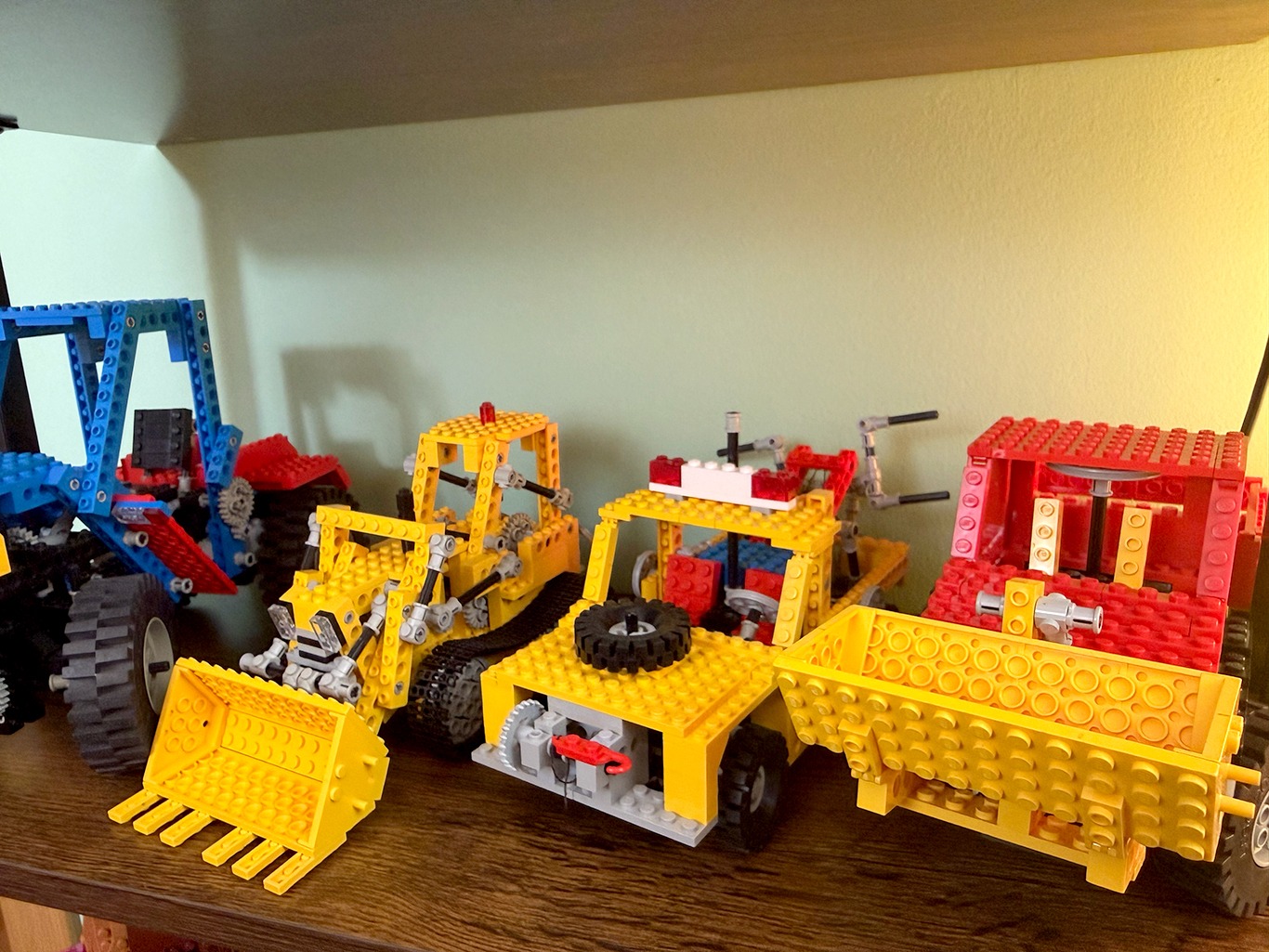
The Mechanism Was Part of the Design
Old Technic models were open, readable and almost educational.
The perforated bricks, beams, axles and gears were not just technical components hidden somewhere inside the model.
They were the model.
The mechanics were part of its final appearance.
An exposed chassis did not look unfinished.
It looked exactly as it was supposed to look.
It was almost like a three-dimensional technical drawing.
You could look at the model and read how it worked, piece by piece.
And that is probably what I miss most today.
Then Studless Arrived
With the arrival of studless liftarms, Technic made a huge leap forward.
Builds became more compact, more rigid, lighter and above all much freer geometrically.
The possibilities increased.
The shapes became more complex.
Angles became easier to manage.
And it became possible to build much more refined and realistic models.
From a design point of view, there is no doubt: modern Technic is more advanced.
But this is also where my doubts begin.
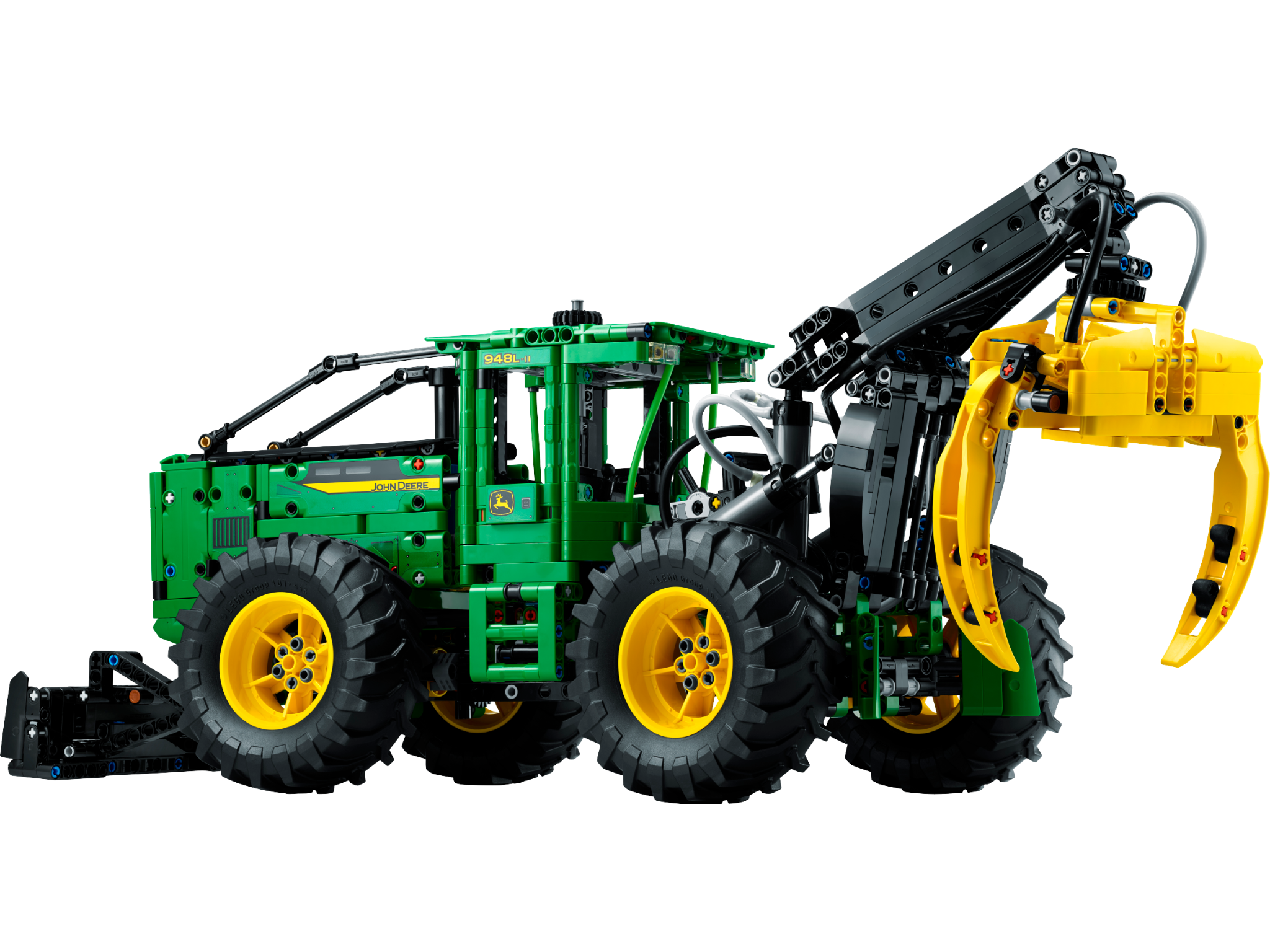
Because while Technic gained precision and realism, it gradually started to hide itself.
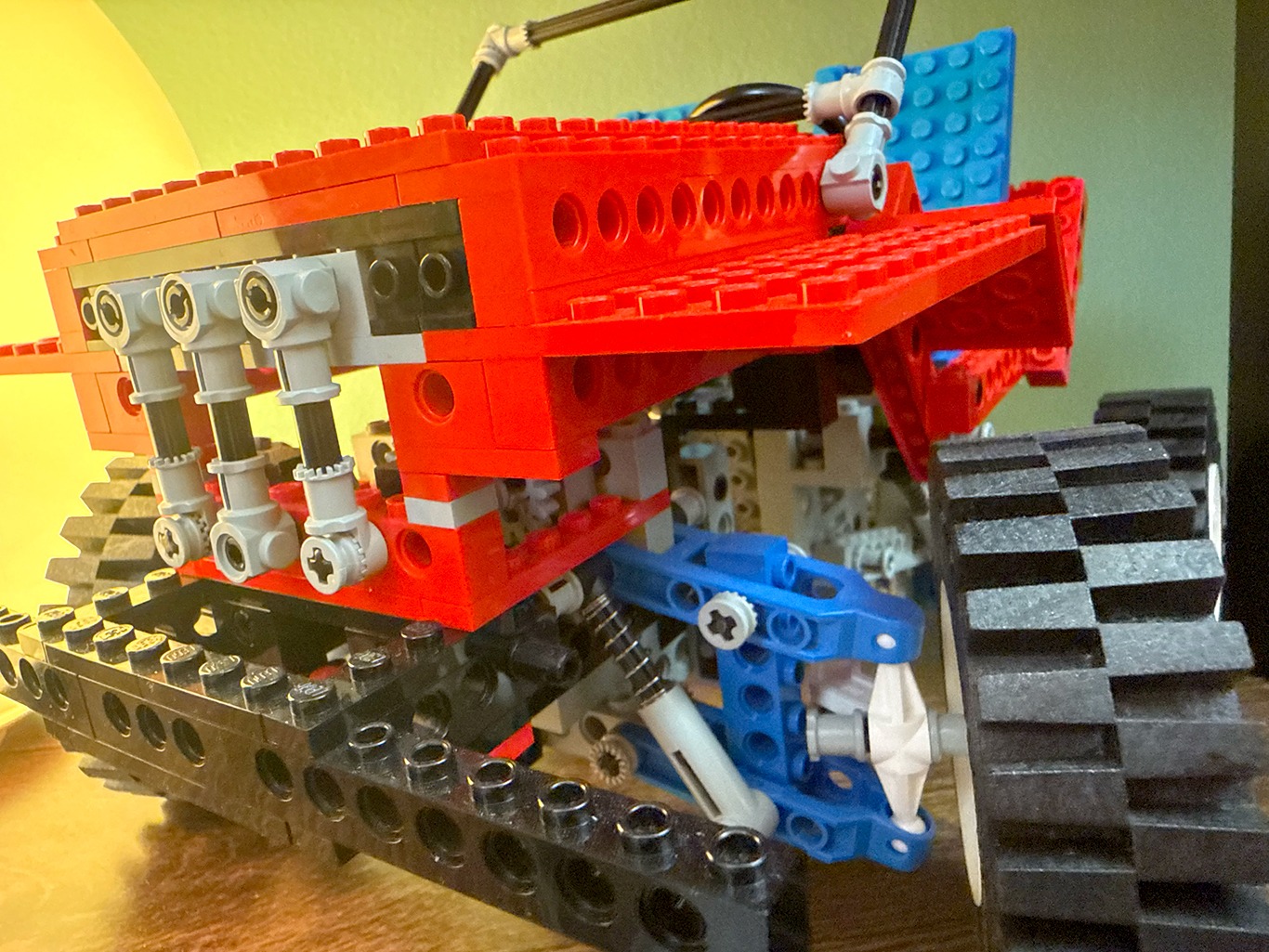
The Technique Is Still There, But It Often Disappears
Today you can build sophisticated differentials, gearboxes, steering systems, suspensions and drivetrains.
But very often, you only really see them during the building process.
Then come the outer liftarms.
Then the panels.
Then the surfaces that close everything up.
And in the end, all that carefully built engineering remains trapped inside the model.
You know it is there.
You know how it works.
But you can no longer see it.
And for me, that changes the relationship with the model quite a lot.
Because a Technic set can be incredibly advanced mechanically, but if all that engineering is hidden away, part of its visual fascination is lost.
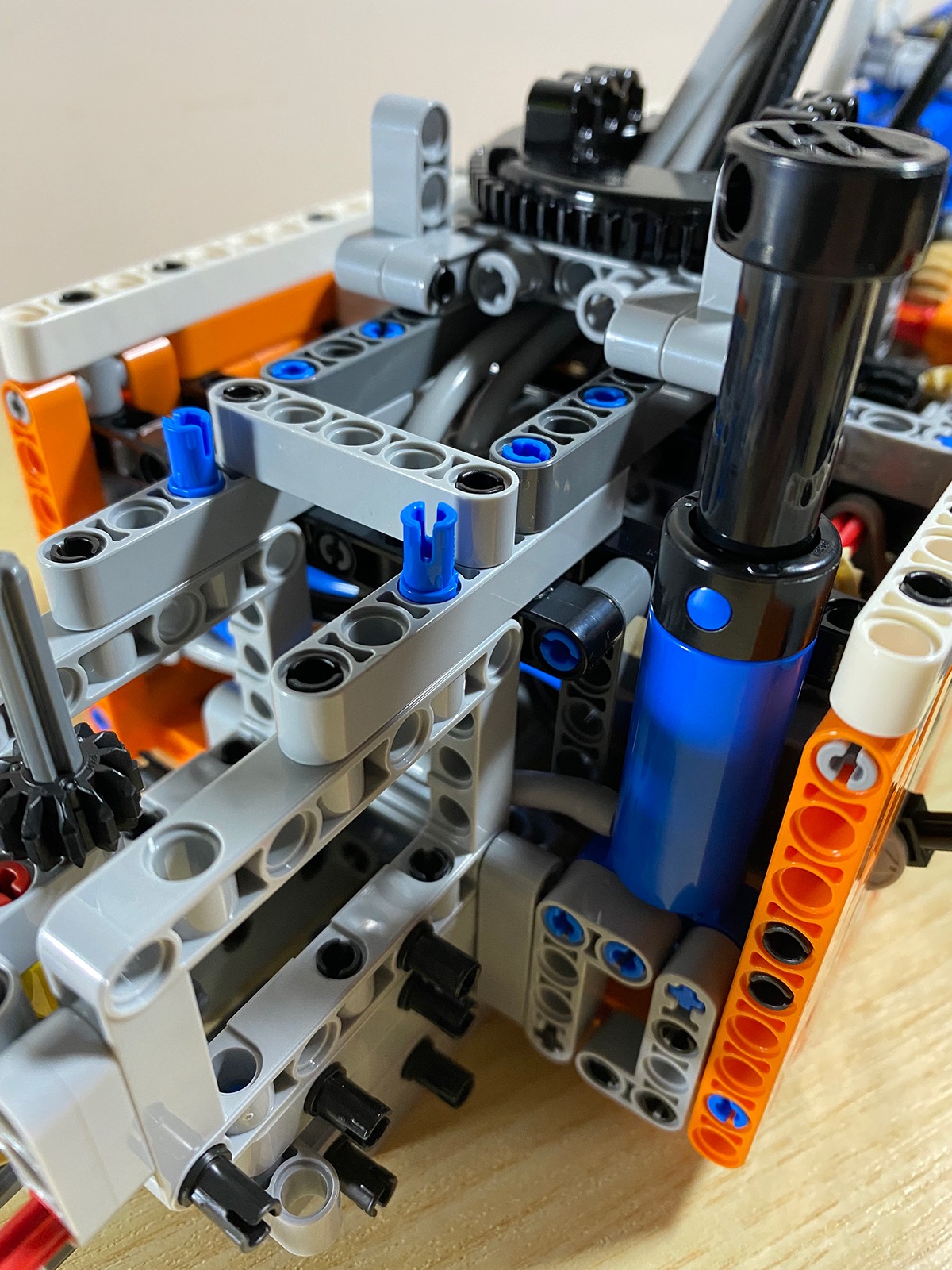
Panels Changed the Language
Panels have done a lot for Technic.
They made it possible to create more believable bodywork, cleaner surfaces and more convincing proportions.
And in many cases, the result is spectacular.
But at the same time, they also changed the language of the theme.
Modern Technic increasingly tries to represent the vehicle accurately.
Old Technic was more interested in showing you how the vehicle worked.
Those are two different philosophies.
Neither is necessarily wrong.
But I know which one speaks to me more.
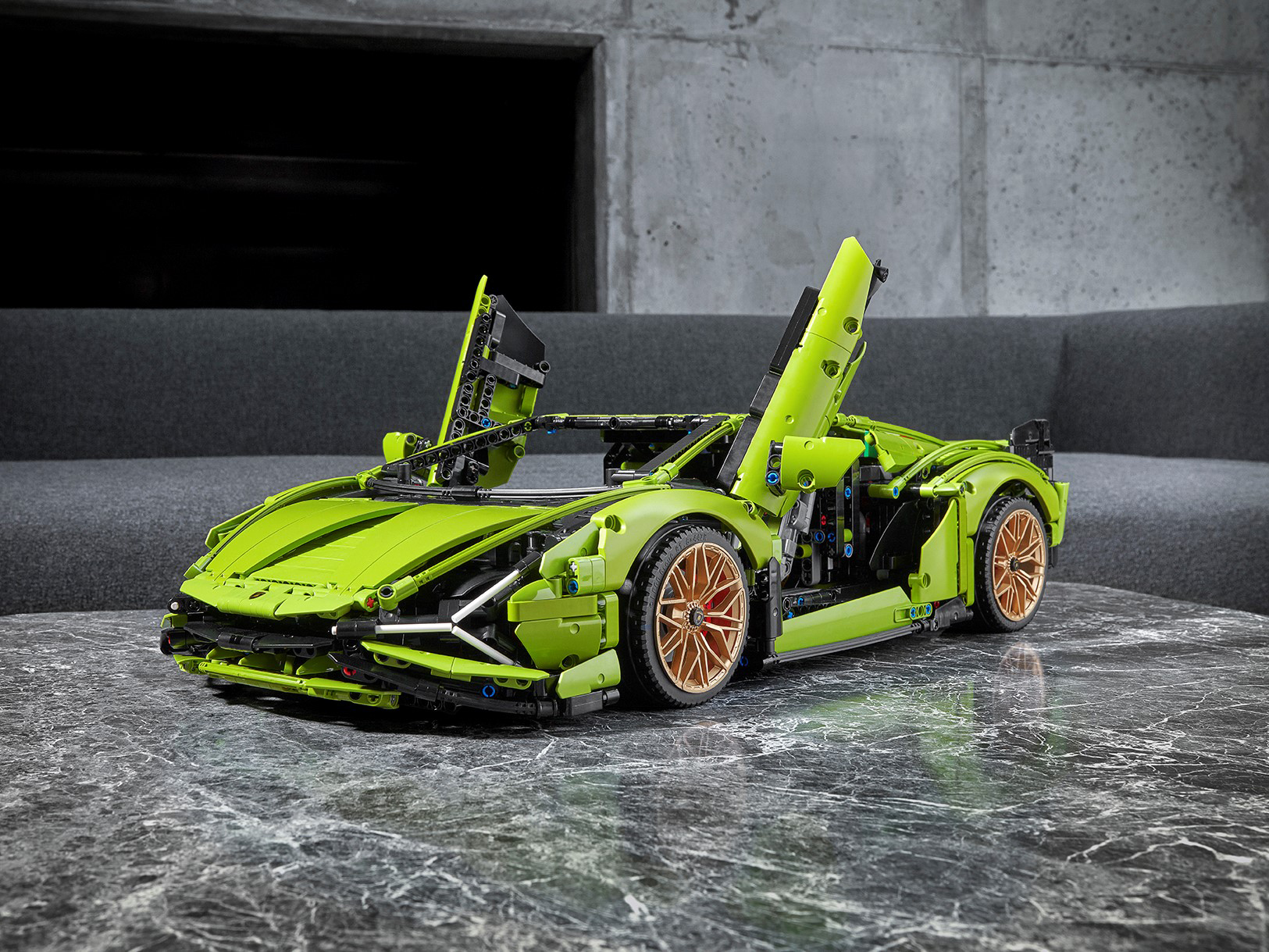
I Used to Look Inside. Today I Look Outside.
Maybe this is the simplest way to explain the difference.
With old Technic models, I naturally wanted to look inside.
I searched for the movement.
I followed the gears.
I watched how one function controlled another.
With many modern Technic models, the first impact is visual.
I look at the bodywork.
I look at the shapes.
I look at how closely it resembles the real machine.
And yes, that can be beautiful.
But it is a different kind of pleasure.
Closer to scale modelling.
Further away from discovering mechanics.
It Is Not Just Nostalgia
Nostalgia obviously plays a part.
I grew up with that kind of Technic, so of course it has a special value for me.
But I do not think that is the whole story.
When I pick up an old Technic model today, I still notice that my eyes are drawn to the mechanisms.
And that happens because they are there.
Visible.
Exposed.
Understandable.
They do not need much explanation.
They invite you to look.
Is Modern Technic Better?
Technically, often yes.
As a building experience, frequently yes.
In terms of design possibilities, almost certainly yes.
But for me, that is not the real question.
The real question is:
does it still make me want to understand how it works?
And here, the answer changes from model to model.
There are brilliant and beautifully engineered modern Technic sets.
But there are also many where I get the feeling that the engineering has almost become something to hide behind a body shell.
And for a theme called Technic, that always makes me think.
What I Really Miss
I do not miss old Technic simply because it was old.
I miss a certain way of designing.
I miss exposed mechanics.
I miss that feeling of being able to follow the movement from one end of the model to the other.
I miss the idea that an open structure was not considered an aesthetic limitation, but part of the appeal.
I miss the time when the function was not simply inside the model.
It was the model.
And that is why, even today, certain Technic sets from the 1980s and 1990s still make me stop and look for longer.
Not because they are more realistic.
Not because they are more refined.
But because they show me something.
They show me the technique.
← JOURNAL